
What evidence does the Court consider in family law cases?
The Court doesn't decide family law matters on allegations alone. Here's the kind of evidence — affidavits, documents, witnesses and experts — that actually carries weight.
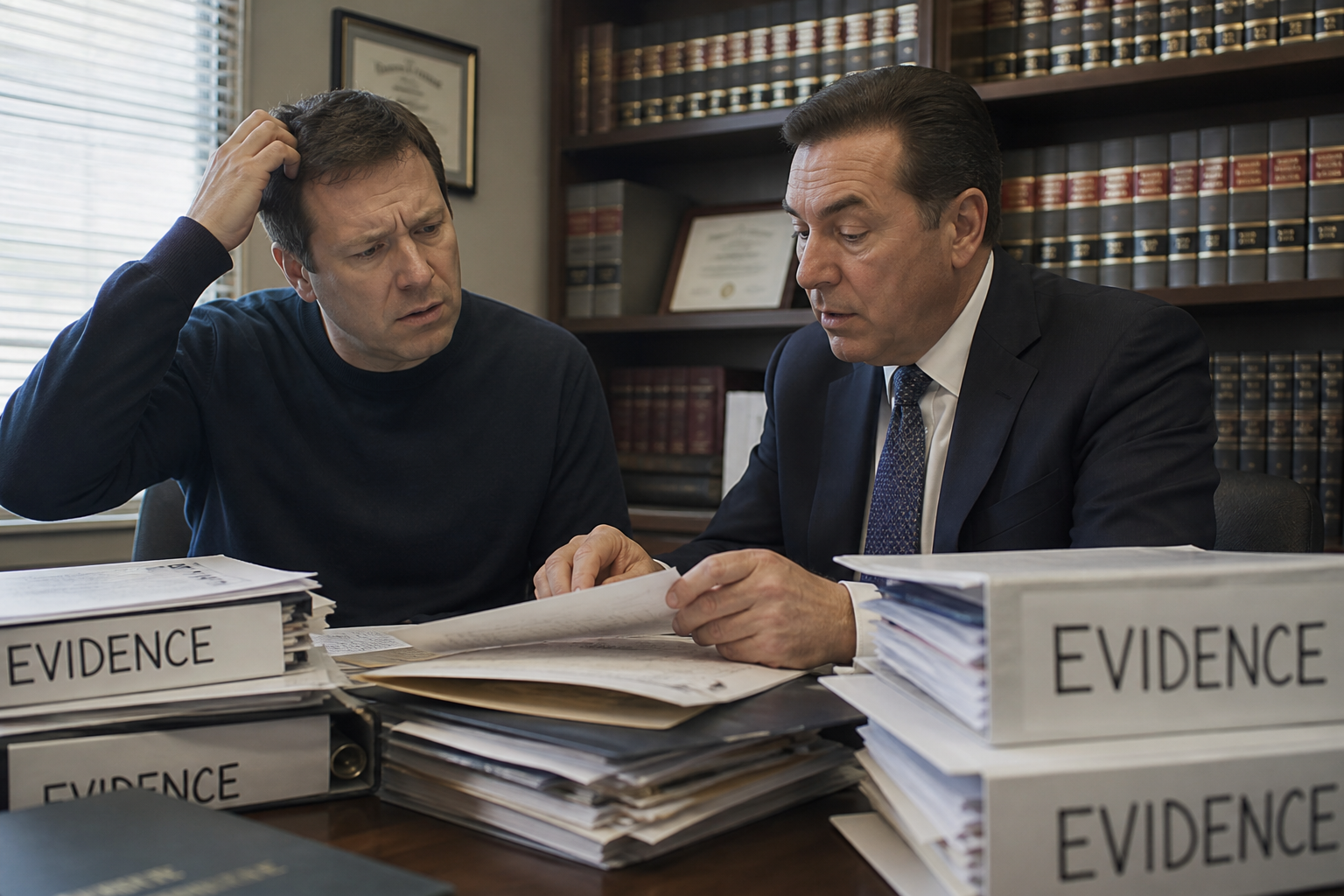
When a family law dispute proceeds to Court, the outcome is determined by the evidence presented by the parties. The Court does not decide matters based on allegations alone; parties must provide evidence to support their claims.
The type of evidence required will depend on the nature of the dispute, including parenting matters, property settlements, family violence allegations or financial issues.
Affidavit evidence
The most common form of evidence in family law proceedings is an affidavit. An affidavit is a written statement of facts sworn or affirmed by a person.
In parenting matters, affidavits commonly address:
- the history of the relationship between the parents;
- the children's living arrangements;
- each parent's involvement in the children's lives;
- allegations of family violence, drug or alcohol concerns; and
- proposed future arrangements for the children.
In property matters, affidavits may address:
- the history of the relationship;
- contributions made by each party;
- the acquisition of assets;
- inheritances, gifts or loans; and
- each party's financial circumstances.
Documents and electronic communications
The Court may consider a wide range of documents, including:
- text messages and emails;
- social media communications;
- photographs and videos;
- bank statements and financial records;
- tax returns and payslips;
- superannuation statements; and
- property, business and loan documents.
Electronic communications can be particularly important in parenting matters as they may demonstrate how parties communicate, whether agreements were reached, and how each parent has attempted to manage parenting arrangements.
Witness evidence
The Court may also consider evidence from witnesses, including family members, friends, teachers, employers or professionals.
The Court will consider the witness's relationship with the parties, their ability to observe events and whether their evidence is reliable and independent.
Expert evidence
In some cases, expert evidence may be required. This may include:
- Family Reports prepared by Court-appointed experts;
- psychological assessments;
- property valuations; and
- business valuations.
Experts do not determine the outcome of a case. Their role is to provide an independent opinion to assist the Court.
The importance of credibility
While documents are important, the credibility of the parties is often a significant factor in family law proceedings. The Court will consider whether a person's evidence is consistent, reliable and supported by other evidence.
A party who exaggerates, provides inconsistent information or fails to disclose relevant information may have their credibility affected.
Key takeaway
Successful family law proceedings depend on presenting clear, relevant and reliable evidence. Parties should keep appropriate records, communicate carefully and provide full disclosure to ensure the Court has accurate information when making decisions.
This article is general information only and does not constitute legal advice. Every matter is different — speak with one of our family lawyers about your specific circumstances.
← Back to Family Law ExplainedNeed help putting your case together?
Every enquiry is strictly confidential, and your first consultation is free.