
What happens after divorce is granted?
A Divorce Order ends the marriage — but it doesn't touch property, super or parenting. Here's what still needs to be sorted, and the deadlines that apply.
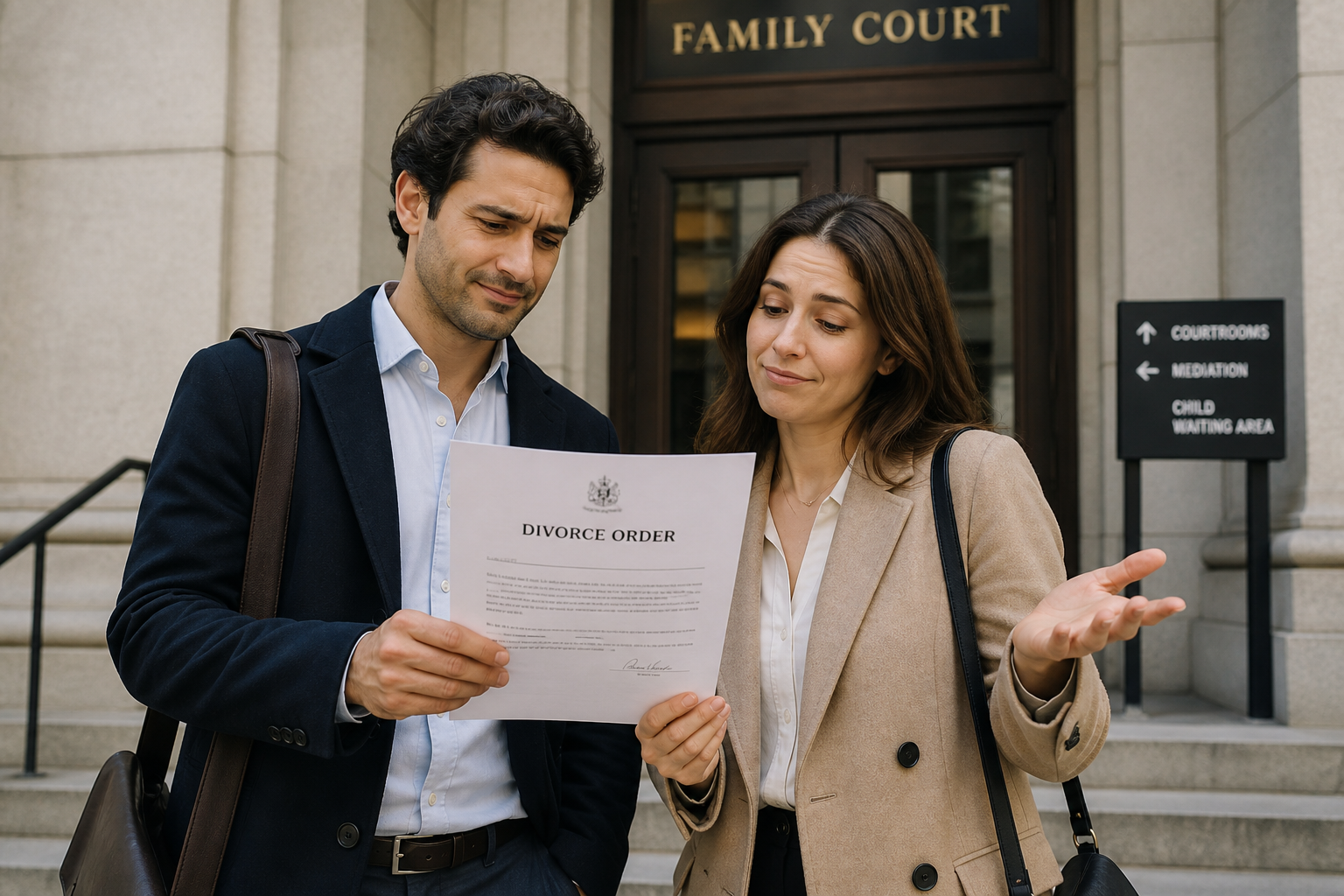
Many people believe that once a Divorce Order is made, all family law issues between the parties are finalised. However, a divorce only legally ends the marriage. It does not automatically deal with property settlement, superannuation, parenting arrangements or financial matters.
When does a divorce become final?
A Divorce Order generally becomes final one month and one day after it is granted by the Court.
Once the divorce becomes final, the parties are no longer legally married and are free to remarry.
A Divorce Order will not usually be granted unless the Court is satisfied that appropriate arrangements are in place for any children of the marriage who are under 18 years of age.
What happens to property settlement?
A common misconception is that a divorce finalises the division of property between separated spouses. This is not correct.
Property settlement and divorce are separate legal processes. Parties can negotiate and formalise a property settlement either before or after divorce.
However, there are strict time limits. After a Divorce Order becomes final, a party generally has 12 months to commence property proceedings. If this time limit expires, permission from the Court is required before an application can be made.
The Court will only grant permission in limited circumstances, so it is important not to delay resolving property matters after divorce.
Can I remarry?
Once the Divorce Order becomes final, either party is legally able to remarry.
However, parties must ensure that any future marriage does not occur until the divorce has taken effect. A person who marries another person before their divorce is finalised remains legally married to their former spouse.
Entering into a new marriage while still legally married to another person may constitute bigamy, which is a criminal offence in Australia.
Updating important documents
Following divorce, it is important to review and update personal and financial documents, including:
- wills and estate planning documents;
- superannuation death benefit nominations;
- life insurance beneficiaries;
- powers of attorney;
- medical decision-making documents; and
- banking and financial arrangements.
Divorce does not automatically update these documents, and in some circumstances a former spouse may continue to have rights or benefits unless changes are made.
Key takeaway
A Divorce Order only ends the legal marriage. It does not automatically resolve property, financial or parenting issues. After divorce is granted, parties should ensure property matters are finalised within the required timeframe and review their personal and financial arrangements to reflect their new circumstances.
This article is general information only and does not constitute legal advice. Every matter is different — speak with one of our family lawyers about your specific circumstances.
← Back to Family Law ExplainedSorting out what comes next after divorce?
Every enquiry is strictly confidential, and your first consultation is free.