
What is a Single Expert Witness?
When a family law dispute turns on something outside everyday experience — a property valuation, a business structure, a psychological assessment — the Court can appoint an independent Single Expert Witness. Here's how that process works.
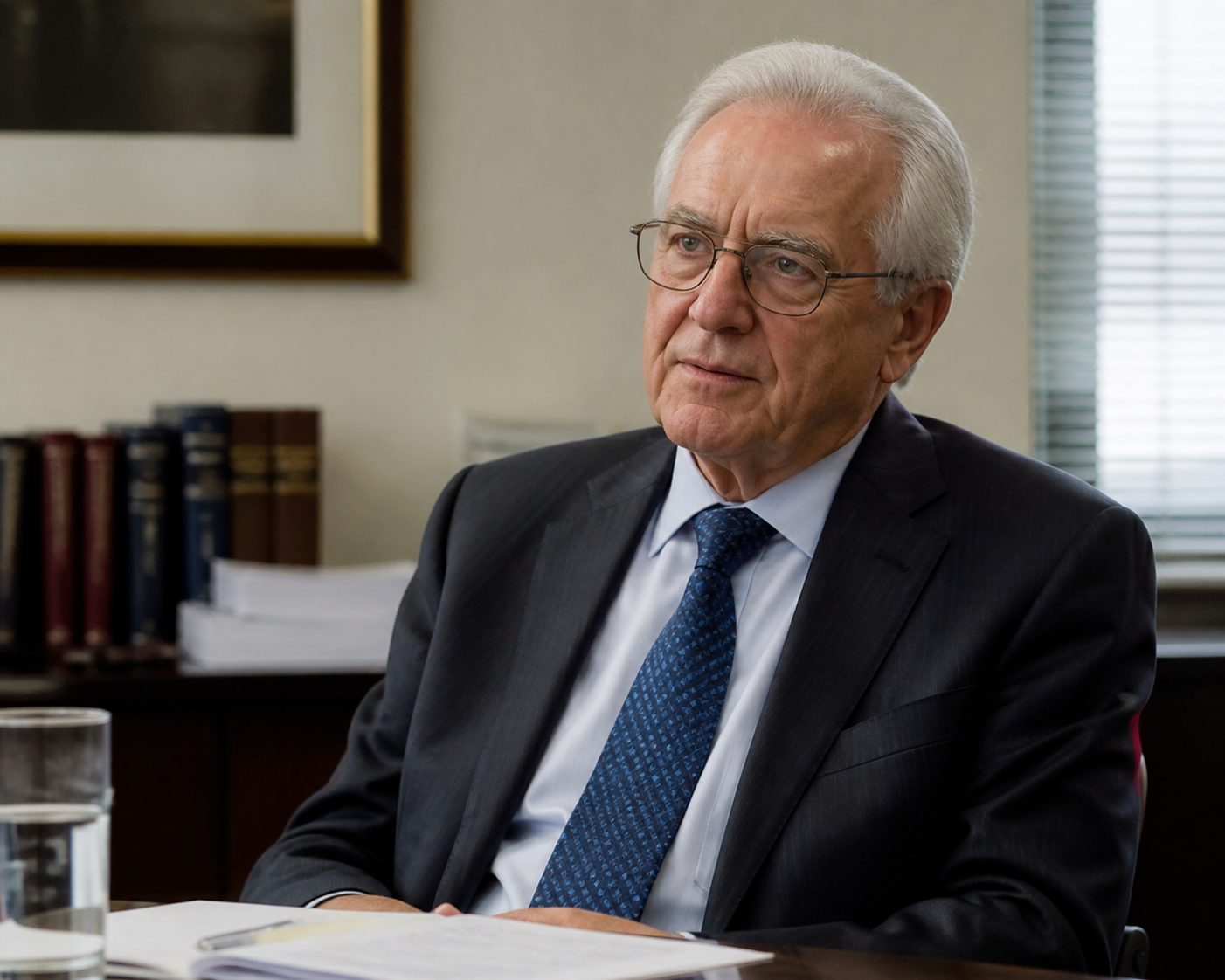
In family law proceedings, the Court is often required to determine issues that involve specialised knowledge beyond the experience of the parties and the Court. In these circumstances, the Court may appoint a Single Expert Witness to provide an independent opinion about a particular issue.
A Single Expert Witness is an expert appointed to assist the Court by providing an objective assessment of a specific issue. Unlike a party's own expert, a Single Expert Witness does not act for either party and has an overriding duty to assist the Court.
Why is a Single Expert Witness appointed?
Single Expert Witnesses are commonly used where there is disagreement between the parties about an issue requiring specialist knowledge. Examples include:
- property valuations — where parties disagree about the value of a home, business, company, shares or other assets;
- accountants or forensic accountants — where there are complex financial issues, including business valuations, company structures, trusts or income assessments; and
- psychologists or other mental health professionals — where expert evidence is required about a child's needs, psychological issues or parenting capacity.
The purpose of appointing a Single Expert Witness is to provide the Court with reliable, independent evidence to assist in determining the issues in dispute.
How does the process work?
The expert is usually appointed by agreement between the parties or by order of the Court.
The expert is provided with relevant information and documents from both parties. For example, a valuer may be provided with details of the property, a forensic accountant may be provided with financial records, and a psychologist may be provided with relevant parenting material.
The expert will then prepare a written report setting out their findings, opinions and reasons for reaching those conclusions. In some cases, the expert may be required to attend Court to answer questions about their report.
What weight does the Court give expert evidence?
A Single Expert Witness report is an important piece of evidence, but it is not automatically accepted by the Court.
The Court will consider the expert's qualifications, experience, the reasoning behind their opinion, and whether their conclusions are supported by the available evidence.
While the Court is not bound by the expert's opinion, an independent expert's evidence is often given significant weight because the expert has been appointed to assist the Court rather than advocate for either party.
Can parties obtain their own expert evidence?
In some circumstances, a party may seek permission to rely on their own expert evidence. However, the Court generally prefers the use of Single Expert Witnesses to avoid unnecessary costs and competing expert opinions.
Where parties each obtain their own expert reports, this can increase the complexity, delay and expense of proceedings.
Key takeaway
A Single Expert Witness provides the Court with independent specialist evidence to assist in resolving issues that cannot be determined through ordinary evidence alone. Whether the issue involves the value of property, financial matters or parenting concerns, the role of the expert is to assist the Court in reaching a fair and informed decision.
This article is general information only and does not constitute legal advice. Every matter is different — speak with one of our family lawyers about your specific circumstances.
← Back to Family Law ExplainedNeed an independent expert opinion in your matter?
Every enquiry is strictly confidential, and your first consultation is free.